






Hirakubo Sagaribana community
Early reservations are recommended as they fill up quickly.

What Is the Hirakubo Sagari-bana Colony?
The Hirakubo Sagari-bana Colony is located in the Hirakubo area—at the southernmost tip of Ishigaki Island—between the Hirakubo settlement and the lighthouse.A large colony of Sagari-banaIt is.
Sagaribana is a flowering tree found in wetlands with tropical or subtropical climates; in Japan, it is found only south of Amami Ōshima.
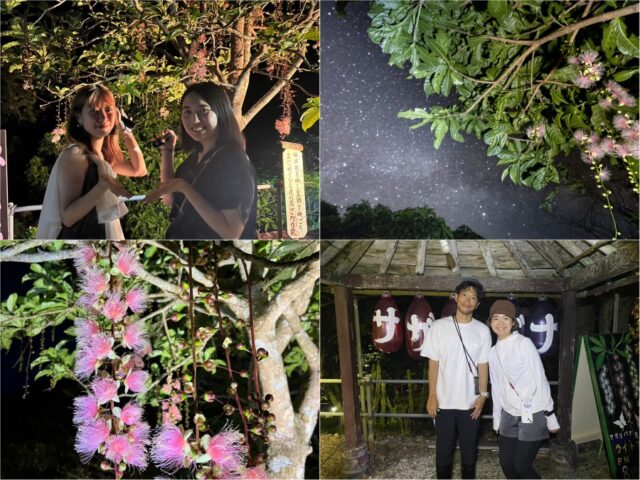
The blooming season for the sagaribana is during the summer, and it’s a unique flower that blooms for only one day.
The buds begin to open around sunset, reach full bloom in the middle of the night, and fall by dawn.
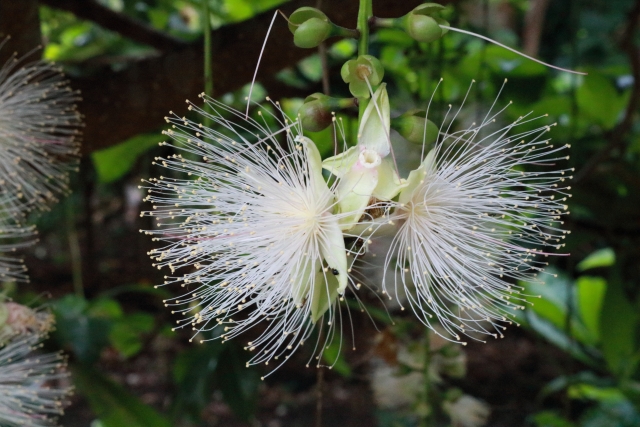
The Hirakubo Sagari-bana Colony is the place with the largest number of Sagari-bana plants, which have such unique characteristics.
How to Get to the Hirakubo Sagari-bana Colony
The Hirakubo Sagari-bana Colony is located about a 40-minute drive from New Ishigaki Airport and about an hour's drive from the Remote Islands Terminal.
Since the Hirakubo Sagari-bana colony is located in the Hirakubo area at the northernmost tip of Ishigaki Island, we’ll simply head north on Route 206 toward the Hirakubo Bridge.
About 200 meters past the Hirakubo Bridge, turn right onto the farm road and continue straight for a short while; you’ll find a colony of Hirakubo sagaribana along the farm road.
How to Enjoy the Hirakubo Sagari-bana Colony
The Hirakubo Sagari-bana Colony is the largest colony of Sagari-bana in Japan.
During the blooming season, they fill the air with a sweet, vanilla-like fragrance while brightening the surroundings with their white, pink, and red blooms.
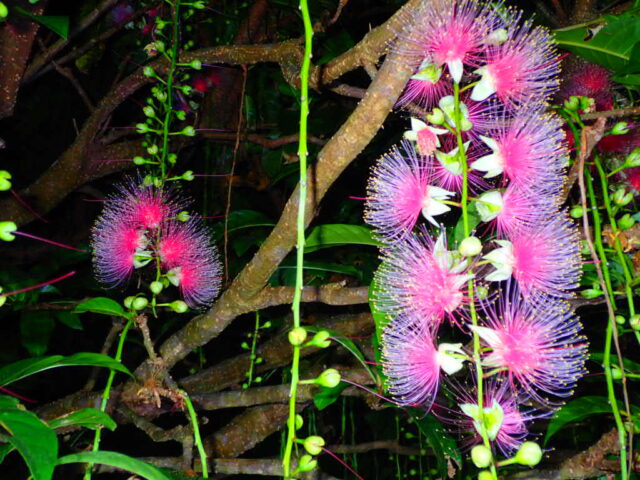
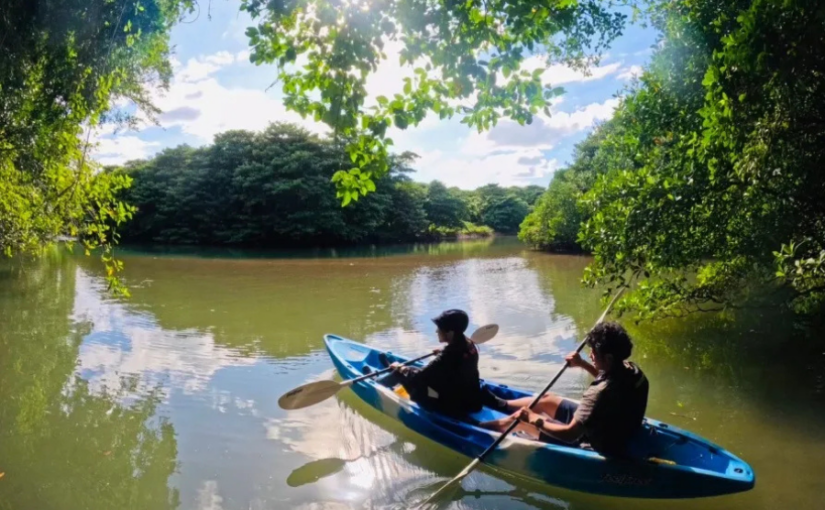
In addition, Sagari-bana flowers grow wild along the Miyara River, which has the largest watershed on Ishigaki Island, and visitors can admire them while enjoying activities such as canoeing and stand-up paddleboarding.
Early in the morning, the river is blanketed with fallen Sagari-bana flowers, offering a unique and breathtaking view. Since the atmosphere is different in the morning and at night, be sure to visit and enjoy both.
⬇︎Click here for recommended tours where you can see sagaribana
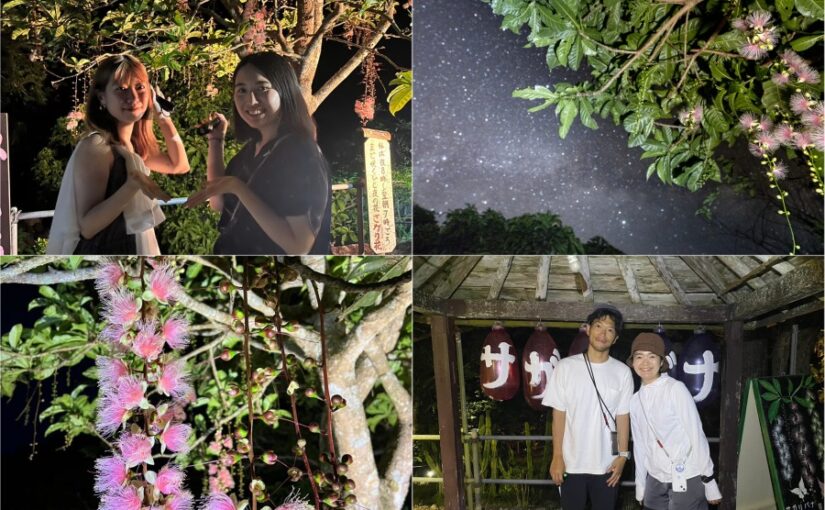
Details on the Hirakubo Sagari-bana Colony
The Hirakubo Sagari-bana colony is the largest of its kind in Japan and is located on the western side of the Hirakubo Peninsula, which extends northward from Ishigaki Island.
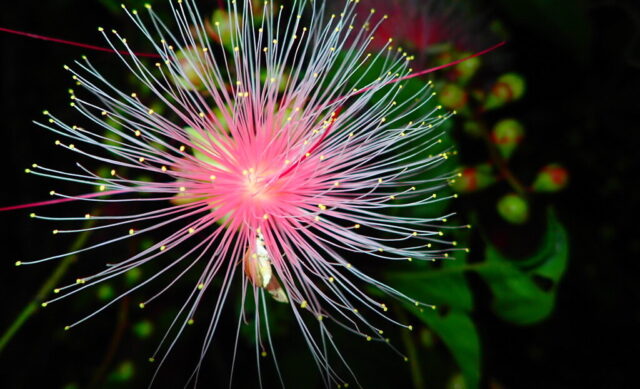
Sagaribana, a subtropical plant native to wetlands in tropical and subtropical climates, blooms from June through August.
When in bloom, it gives off a sweet, vanilla-like fragrance and is characterized by its white, pink, and crimson petals.
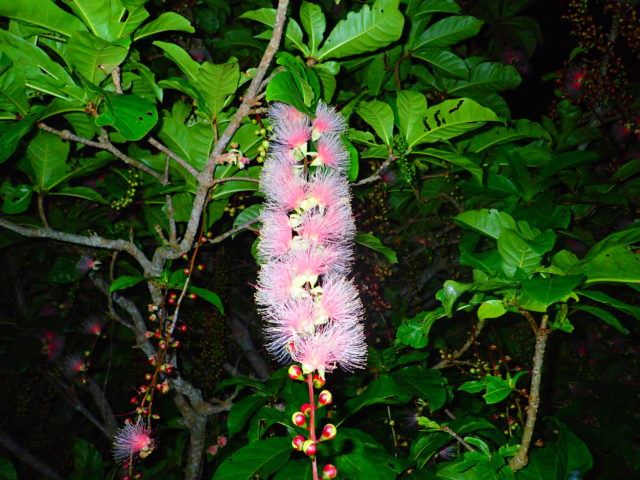
It has a raceme inflorescence, and because its flowers hang down like grapes, it is called "Sagaribana."
On Ishigaki Island, the buds begin to burst open and bloom sometime after sunset, around 9:00 p.m. By midnight, they are in full bloom, painting the entire area in a sea of color.
Once the buds burst open, the flowers reach full bloom in about an hour, so if you watch them closely, you can predict when they’ll be in full bloom.
Known as “one-night flowers” or “phantom flowers,” they fall to the ground or water’s surface at dawn, covering the area with Sagari-bana.
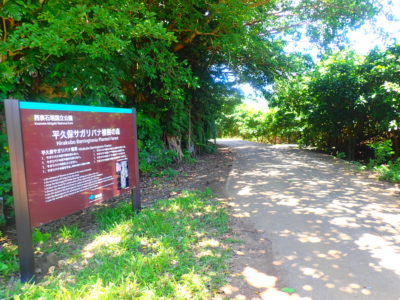
Now that the walking trails have been properly maintained, you can fully enjoy viewing the sagaribana flowers.
Since this is a seasonal flower that blooms for just one day between June and August, be sure to stop by when you visit during the summer.
June and July are the peak blooming months. Just being able to see the sagaribana—a flower with the lovely meaning “good luck will come your way”—seems like a sign of good luck in itself.
Recommended Sightseeing Spots Near the Hirakubo Sagari-bana Colony
Hirakubozaki Lighthouse
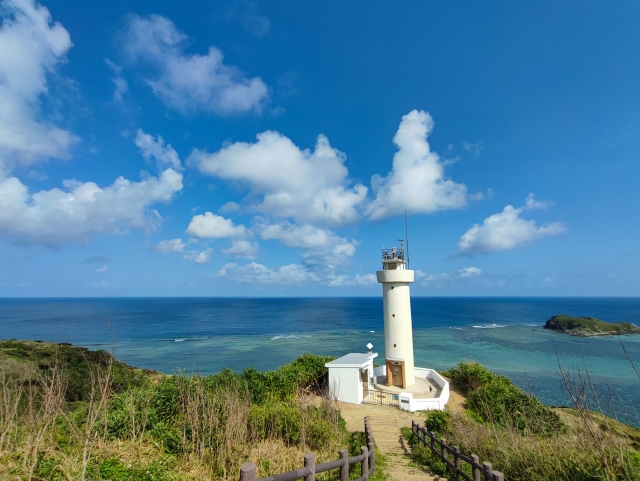
Since it’s located at the northernmost tip of the island and is far from the city, it gets pitch black once the sun goes down.
The sky is filled with a sea of stars, creating a romantic atmosphere quite different from the breathtaking views during the day, so be sure to visit with someone special.
Access: 50 minutes by car from Shin-Ishigaki Airport, 90 minutes by car from the city center
Parking: Available
Meals (nearby): None
Toilet: None
Ishigaki Island Sunset Beach
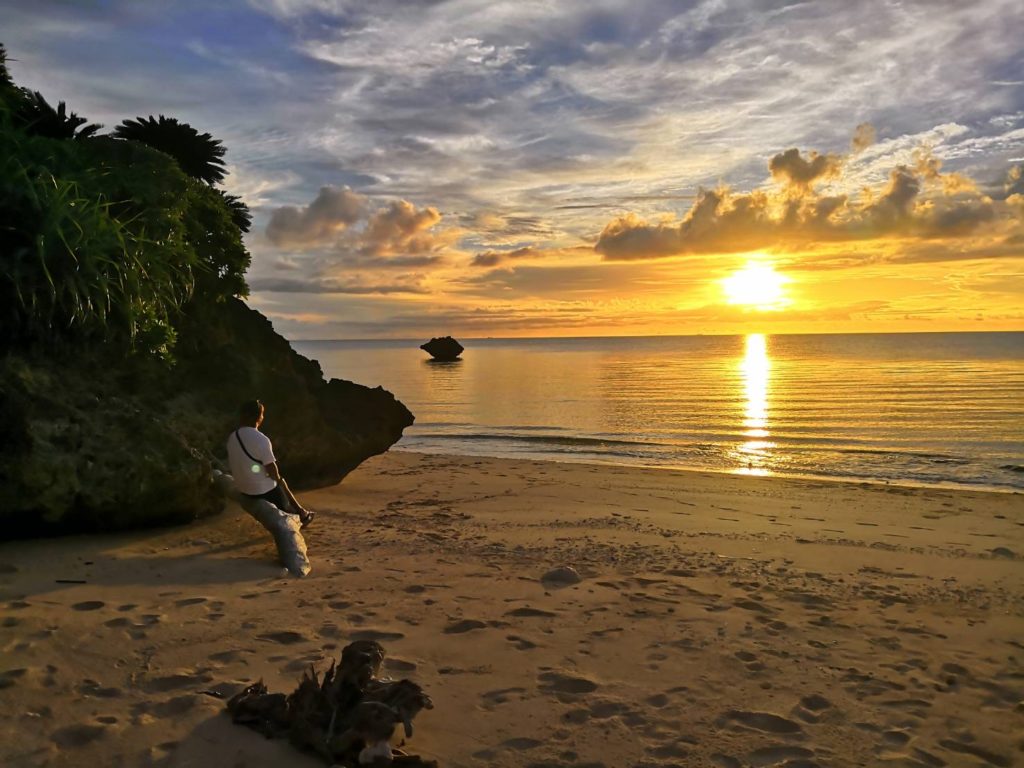
As the name suggests, this spot is located on the West Coast and offers beautiful views of the sunset.
About 10 years ago, the beach began to be properly maintained, with lifeguards stationed on-site and jellyfish-proof nets installed, so visitors can enjoy swimming and other activities with peace of mind.
Address:Hirakubo, Ishigaki City
Access: 25 km from Shin-Ishigaki Airport, 50 minutes by car
Akashi Beach
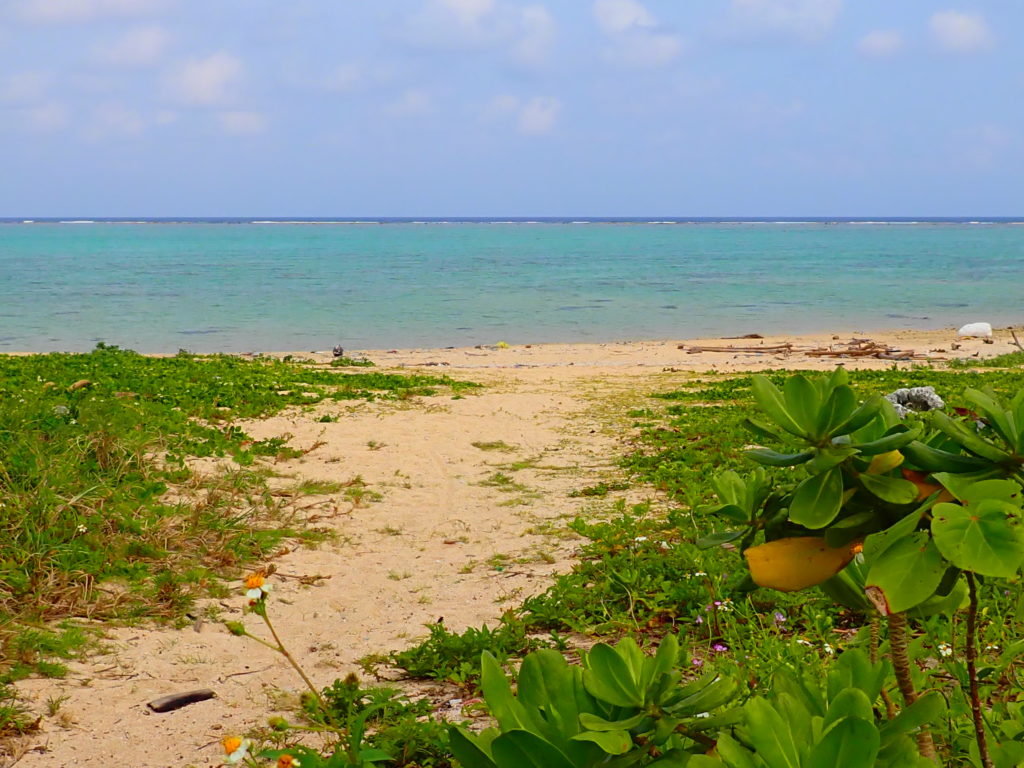
Akashi Beach is a natural beach located on the east coast of Hirakubozaki, and is known as a great spot to watch the sunrise.
Akashi Beach is one of the largest beaches on Ishigaki Island, but because it’s designated as a national park, it’s hardly ever featured in guidebooks.
That’s why there aren’t many tourists—especially early in the morning—so you can have the beautiful sunrise rising over the horizon all to yourself!
Location: 340 Ibaruma, Ishigaki City, Okinawa, Japan
Directions: About 22 km from New Ishigaki Airport, about 45 minutes by car
Parking: None
Meals (nearby): Available
Toilet: None
Details on the Sagari-bana in Hirakubo
| Location | (Hirakubo, Ishigaki City, Okinawa Prefecture) |
| Access | About a 50-minute drive from New Ishigaki Airport |
| parking lot | Available (accommodates 20 vehicles, free) |
| toilet | ant |
| Business Hours | June–September |


























































![[Ishigaki Island / Approx. 2.5 hours] Same-day reservations accepted! SUP tour to the mystical “Blue Cave”★ A new experience in crystal-clear waters♪ Free photos](https://ishigaki-tours.com/wp-content/uploads/2017/12/DB89F99F-C338-4E76-BC19-CEC4FDDE95AC-1-825x510.jpeg)