
15 recommended diving spots in Ishigaki Island! Explanation of popular spots to see manta rays and fish that can be seen
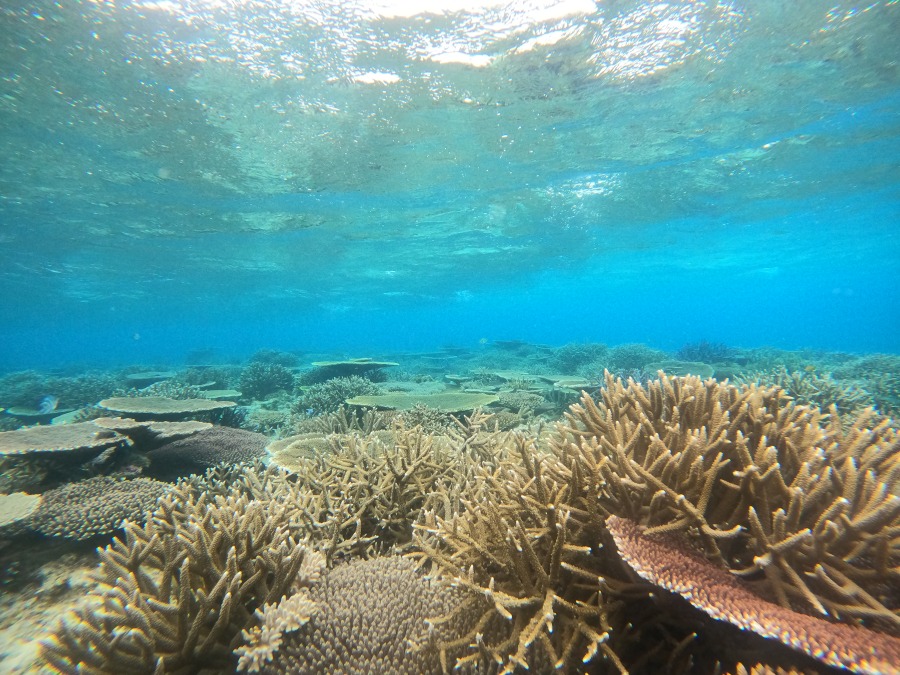
Table of Contents
- 1 What is the appeal of Ishigaki Island diving spots? Why is one of the world's best sea so popular?
- 2 Best Season for Diving in Ishigaki Island
- 3 Fish and Creatures Found in Ishigaki Island Diving
- 4 When can I see manta rays in Ishigaki Island? The best season for diving
- 5 15 recommended diving spots on Ishigaki Island
- 5.1 Manta City Point (Kabira Ishizaki)
- 5.2 Manta Scramble
- 5.3 Yonehara W Leaf
- 5.4 Big Arch (Sakieda area)
- 5.5 Yarabe Corner
- 5.6 Osaki Hanagoi Reef
- 5.7 root of a red clover
- 5.8 Nagura Bay Loco Rock
- 5.9 Miyara Drop-off
- 5.10 bottom-dwelling root of a glaucoma off Sukuji Island
- 5.11 Taketomi Island Potato Coral Root
- 5.12 Kuroshima V-drop
- 5.13 Panari Island Big Corner
- 5.14 Kanokawa manta point
- 5.15 Yonara Channel (drift diving for advanced divers)
- 6 Ishigaki Island Diving Spots Explained! Popular Point Map by Area
- 7 Points to enjoy diving in Ishigaki Island
- 8 Frequently Asked Questions about Ishigaki Island Diving Spots (FAQ)
- 9 summary
What is the attraction of Ishigaki Island diving spots?
One of the world's best seas is the reason for its popularity.
Ishigaki Island, located in the Yaeyama Islands of Okinawa Prefecture, is highly regarded by divers from Japan and abroad.one of Japan's leadingDiving Spots.
The clear waters and diverse coral reefs provide an environment for observing manta rays, sea turtles, and other large creatures,From beginner to advancedA wide range of diver levels can enjoy it.
This article will introduce in detail why the ocean of Ishigaki Island is so popular, its charms and features♪
◆If you want to know popular diving spots in Ishigaki Island
◆If you want to know about diving spots for beginners in Ishigaki Island
◆If you want to know about fish and sea creatures that can be seen in Ishigaki Island diving.
◆If you are looking for a diving spot where you can see manta rays in Ishigaki Island
↓Click here to read the article.
Ishigaki Island Diving Tour
Click here for popular plans
Best Season for Diving in Ishigaki Island
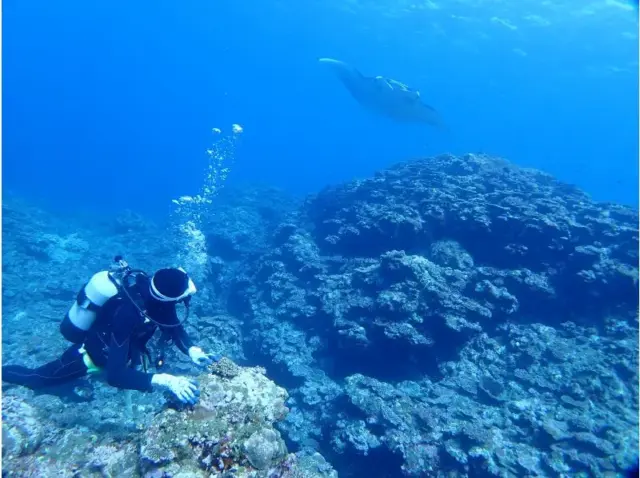
Ishigaki Island is known as a year-round diving destination due to its mild year-round climate.
Because the conditions of the sea and the creatures that can be seen change with the seasons,Choose the best season for your purposeIt is important to
Here we introduce the characteristics of the ocean, including the recommended season for diving in Ishigaki Island, water temperature, and when it is easy for beginners to dive!
↓Popular Ishigaki Island diving plans are here↓.
Ishigaki Island Diving Tour
Click here for popular plans
Ishigaki Island Diving Season

Diving in Ishigaki Island can be enjoyed all year round, but it is especially popular when the sea conditions are stable.Spring to AutumnSeason of the ♪
Autumn is known as the best season for many divers to visit, when the encounter rate of manta rays is said to be higher.
Since the clarity of the water is high and the sea conditions are relatively stable, it is also a good time to dive in Ishigaki Island for the first time.
Water temperature and transparency in Ishigaki Island
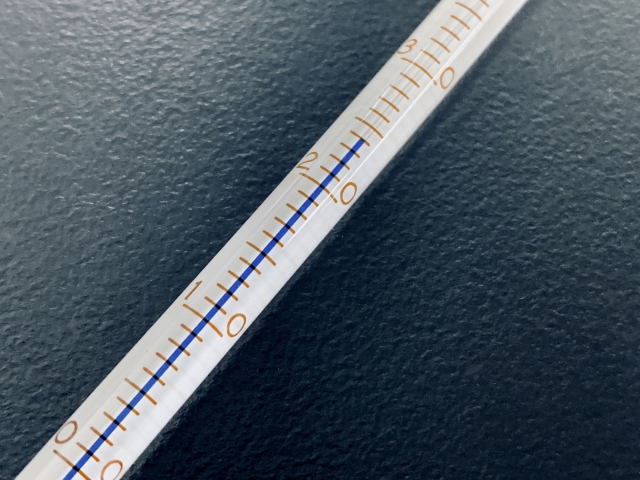
The ocean around Ishigaki Island has high water temperature due to the influence of the Kuroshio Current,Around 20°C in winter, 28-30°C in summerIt goes up to about
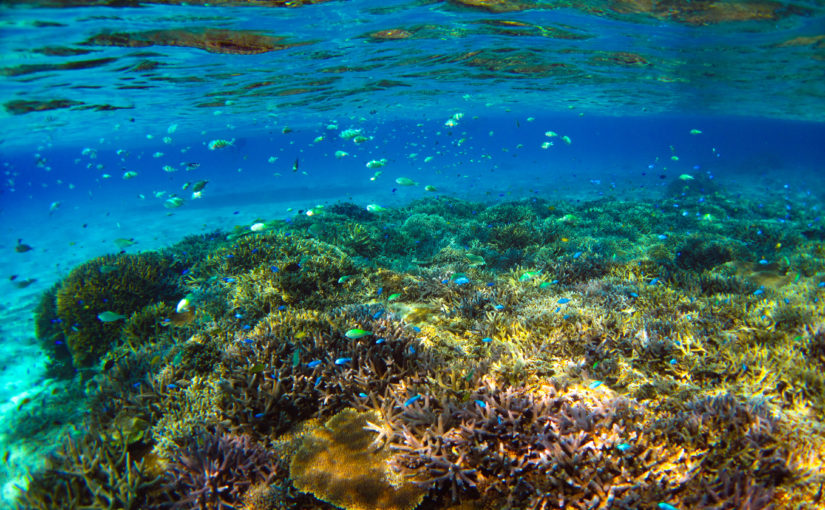
Transparency often reaches 20 to 30 meters or more, depending on the location and weather conditions, allowing visitors to enjoy colorful coral reefs and schools of fish with a clear view.
Known as one of the clearest waters in the world, it is also a popular area for photo diving.
When can beginners dive?
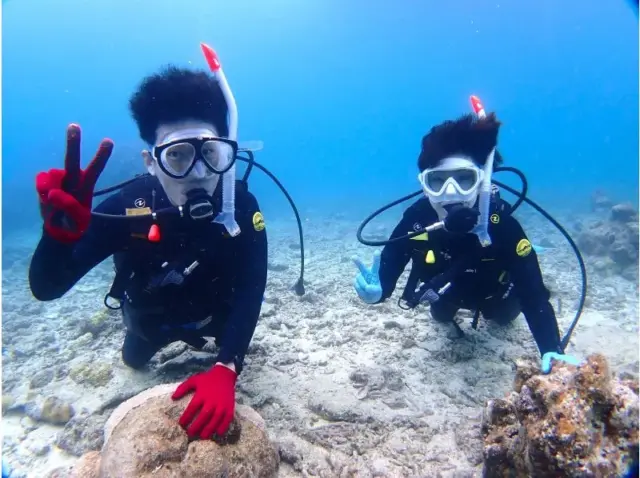
Ishigaki Island has many dive sites where the currents are calm, creating an environment where even beginners can enjoy diving with peace of mind.
Especially from spring to early summer, sea conditions are relatively stable, making it a good season for experience diving.
The Shop.Guided Toursto experience the beautiful underwater world while taking care of your own safety.
Fish and Creatures Found in Ishigaki Island Diving

The sea of Ishigaki Island is home to a wide variety of marine life,Attracting divers from all over the worldThe company is doing so.
You can observe everything from large migratory fish to cute macro creatures, so you can enjoy it according to your diving style.
Here we introduce typical fish and sea creatures you can encounter while diving in Ishigaki Island.
↓Click here to read the article.
Ishigaki Island Diving Tour
Click here for popular plans
manta ray
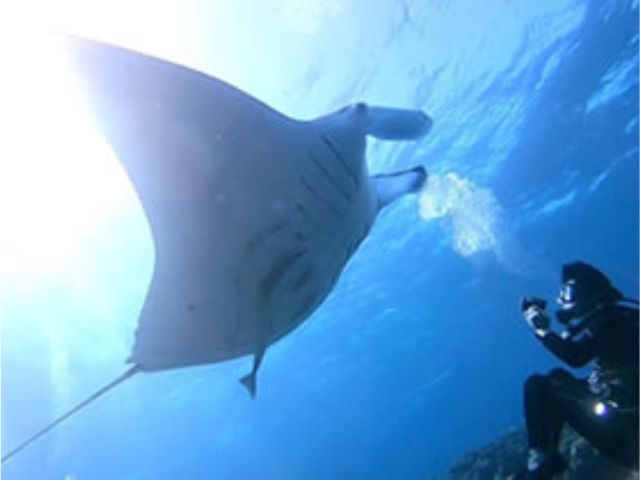
The biggest attraction of Ishigaki Island diving ismanta rayEncounter with!
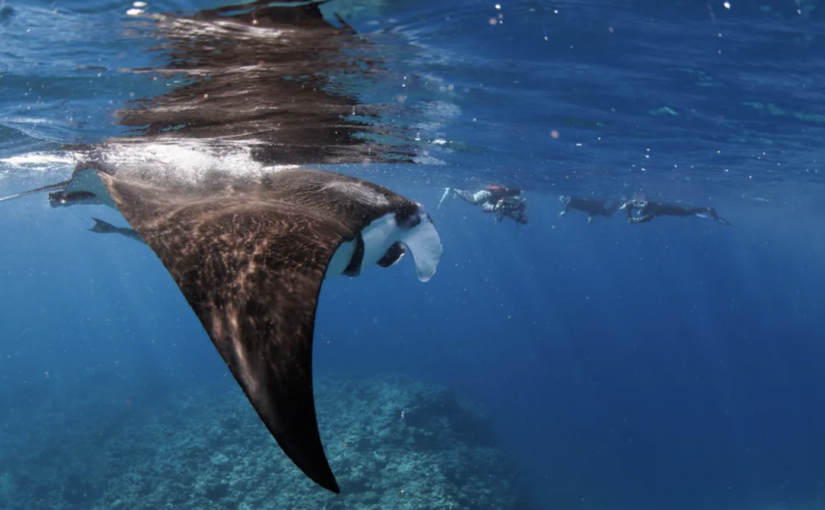
Manta Point in the Kabira-Shizaki area is a popular spot for divers from around the world to observe manta rays that gather at the cleaning stations.
The sight of giant manta rays swimming leisurely is powerful,A symbol of Ishigaki Island divingÂ
You can see manta rays!
↓Click here for popular diving plans in Ishigaki Island.

Click here for popular Ishigaki Island Manta Tour plans
sea turtle
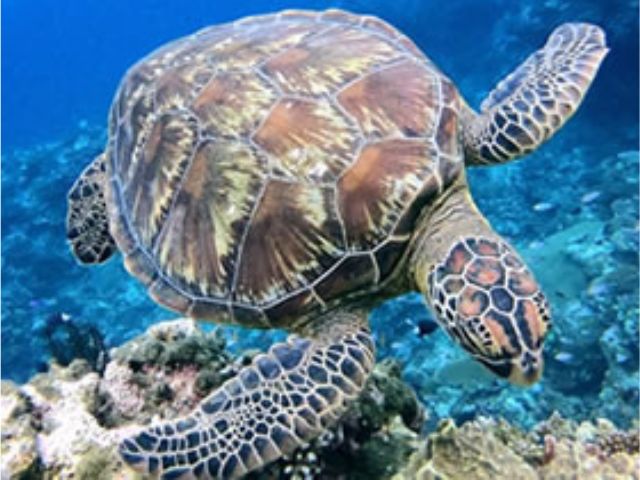
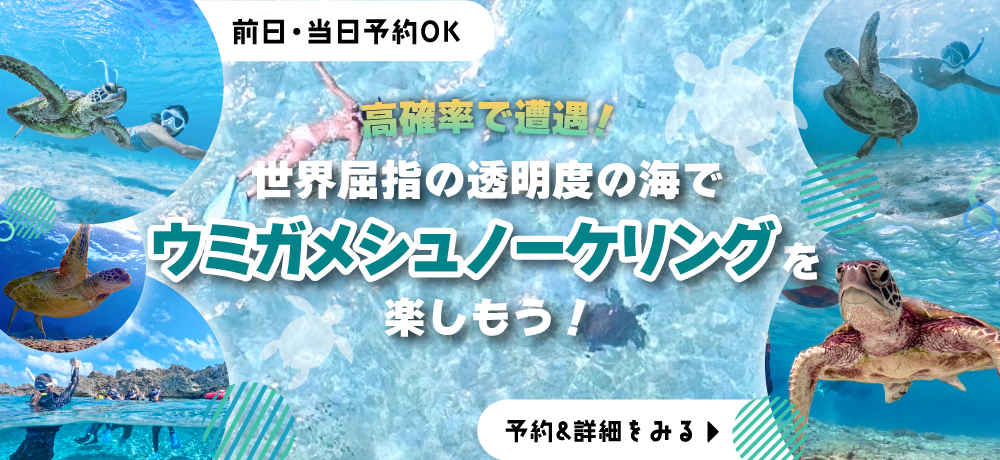
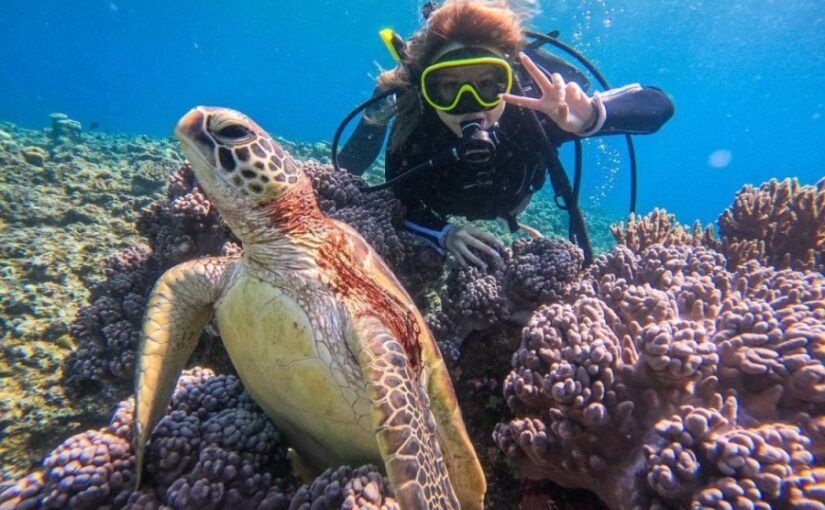
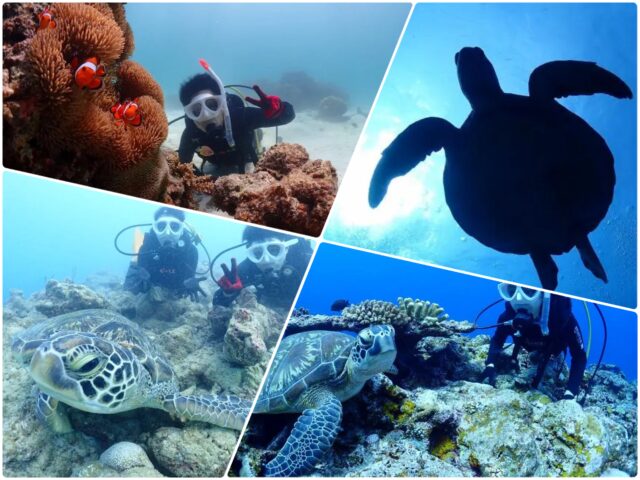
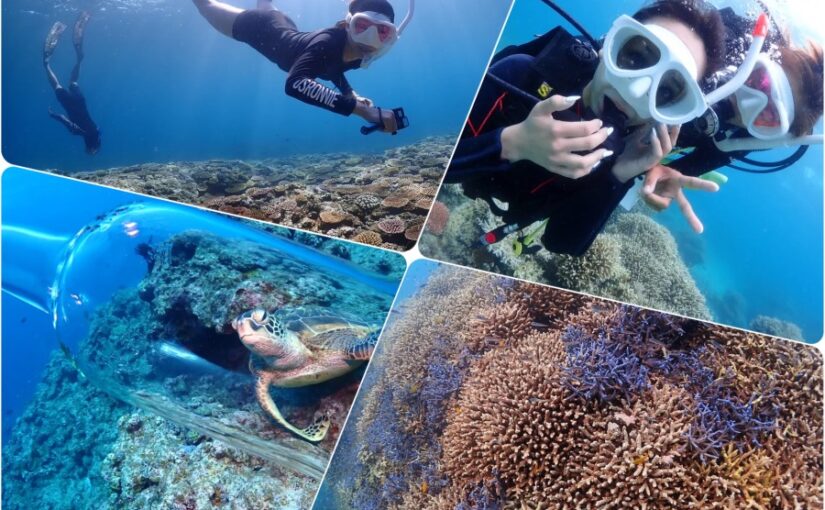
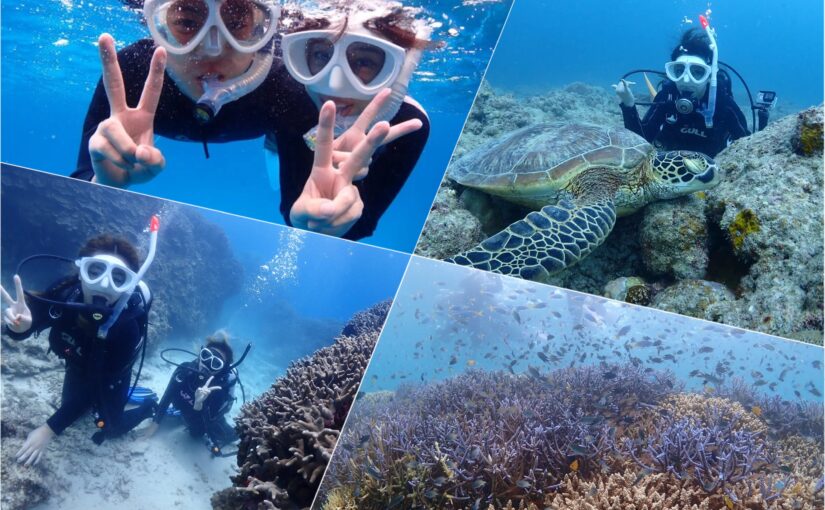
Around Ishigaki Island, there is a high possibility of meeting green turtles and other sea turtles, which are popular creatures among divers♪
Especially in coral reef and rocky reef areas, you may observe them swimming and resting in search of food.
It is possible to find friendly individuals,Can be seen in beginner's experience diving.It is a fascinating marine organism that can be
You can meet sea turtles!
↓Click here for popular diving plans in Ishigaki Island.
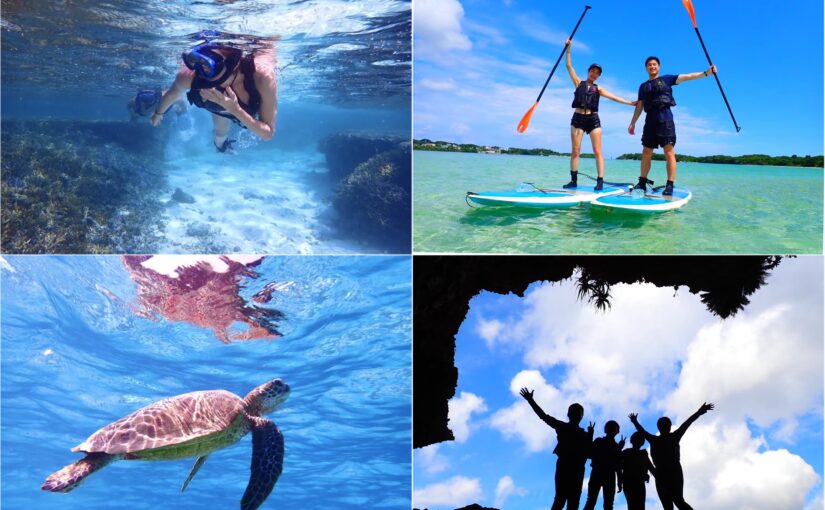
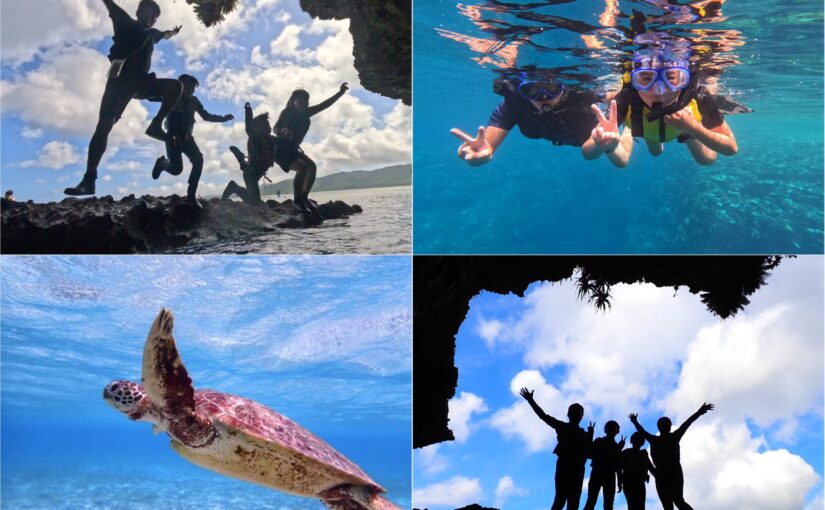
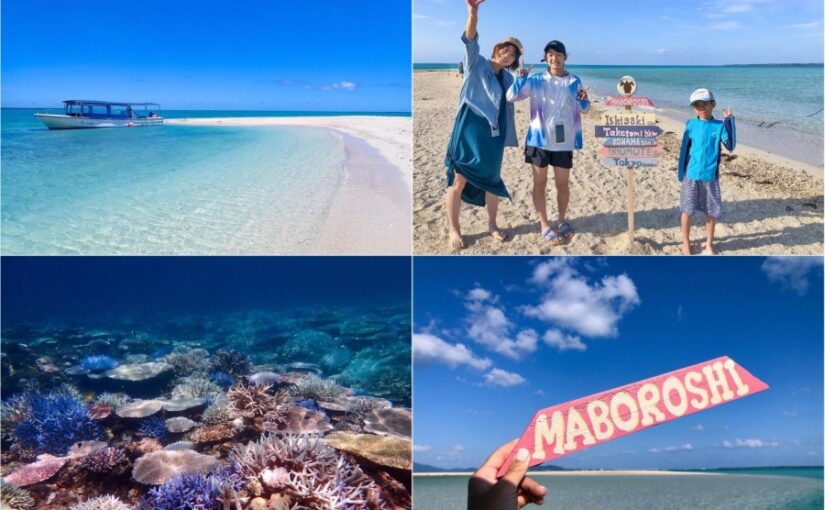
Ishigaki Island Sea Turtle Experience Tour
Click here for popular plans
Clownfish and other clownfishes
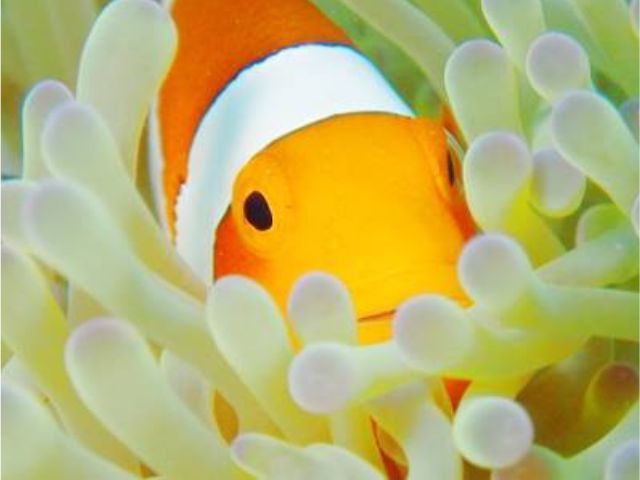
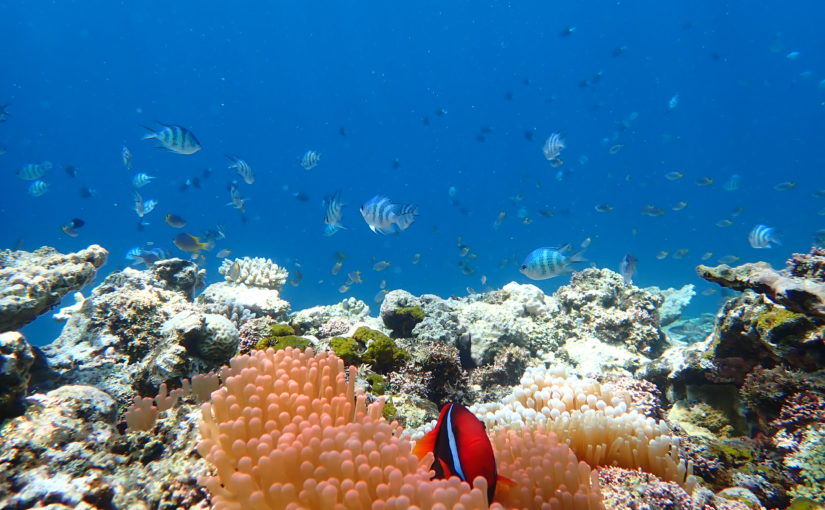
Coral reefs on Ishigaki Island are home to clownfish, clownfish, and white-tip clownfish.Multiple clownfish speciesto see the
The sight of them living in the sea anemone is very adorable and popular among beginner divers and divers who enjoy underwater photography.
You can enjoy Ishigaki Island's unique scenery as it can be observed with colorful corals.
Migratory fish such as barracuda and dogtooth tuna
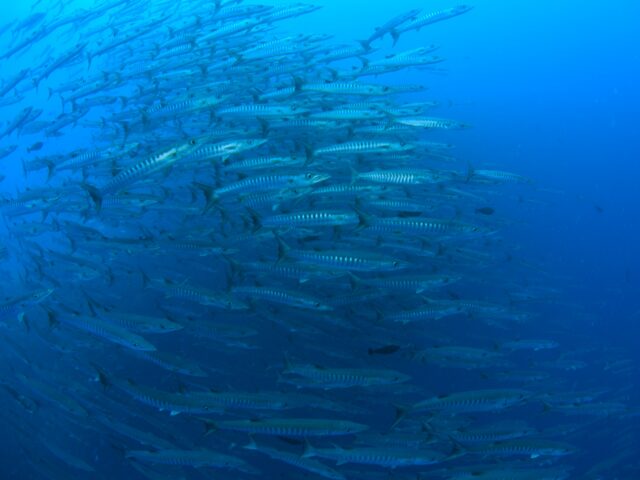
Barracuda and isomaguro in the open sea points around Ishigaki Island.Encounter large migratory fishPossibility!
At some points where the currents are strong, you can observe schools of fish swimming together, making for a powerful diving experience.
Advanced points may have even more encounters with big fish.
Macro organisms such as dingoes and gobies
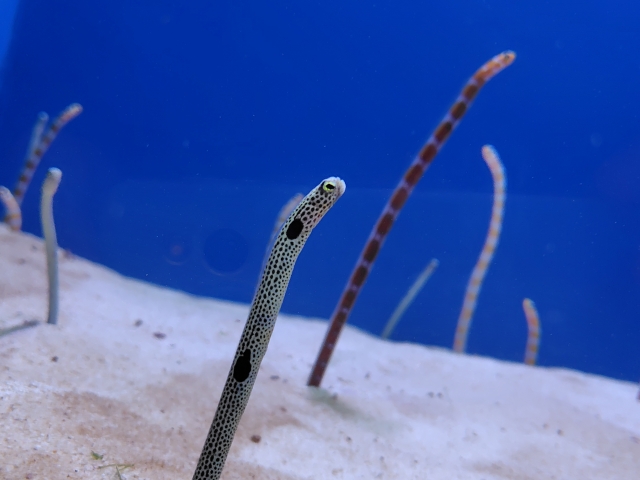
Ishigaki Island is also home to many macro creatures, such as Chinese coral and gobies in the sandy points.small creaturecan be observed.
It is also popular among divers who enjoy underwater photography, and a variety of organisms can be discovered through careful observation.
The charm of Ishigaki Island diving is that you can enjoy not only big fish but also small creatures.
When can I see manta rays on Ishigaki Island?
Best Season for Diving
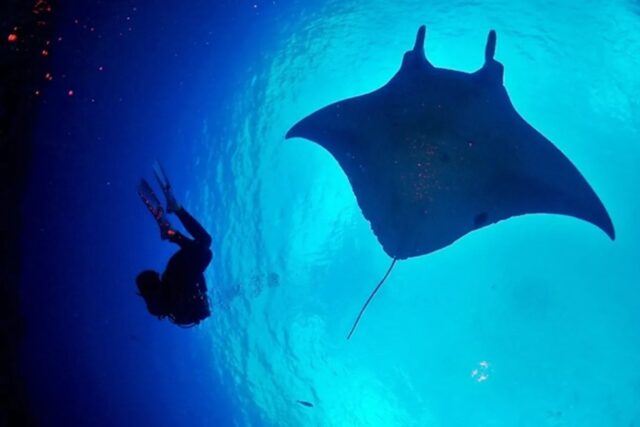
Many people expect to encounter manta rays when diving in Ishigaki Island!
World famous manta pointis known to exist and can be observed with high probability.
Here we introduce the best time of year to see manta rays, recommended dive sites, and points to keep in mind when diving.
You can see manta rays!
↓Click here for popular diving plans in Ishigaki Island.
Click here for popular Ishigaki Island Manta Tour plans
Best season to see manta rays
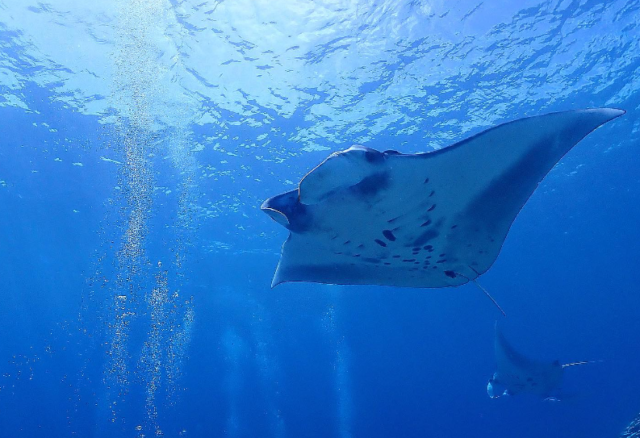
Manta rays may be seen year-round on Ishigaki Island, though,The highest encounter rate is in autumnThis is a period centered on the
Especially at Kabira-Shizaki manta point, you may observe them gathering at the cleaning station.
Although the rate of appearance varies depending on sea and tide conditions, many divers come here in hopes of encountering manta rays.
Diving spots with high manta ray encounter rates
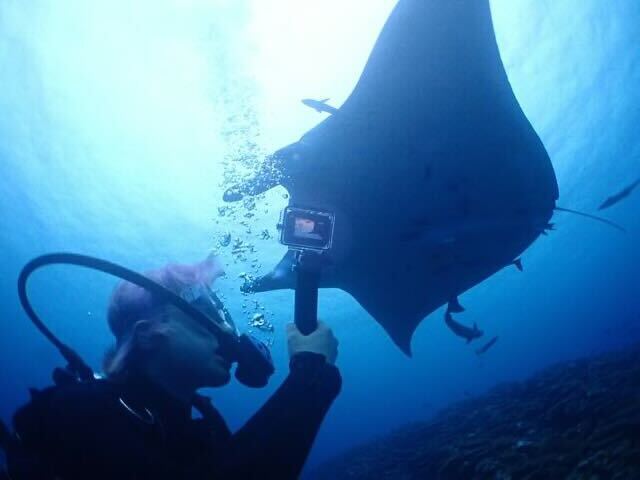
Typical spots to see manta rays on Ishigaki Island areKabira-Ishizaki AreaManta City Point andManta ScrambleIt is.
At these points, manta rays may be observed circling over the coral reef.
In addition, the waters around Iriomote IslandKanokawa Areaare also known as manta points!
Manta ray diving precautions

Manta ray diving protects the ecosystem.abide by the rulesIt is important to
Do not chase or touch the manta rays, but observe them while maintaining an appropriate distance according to the guide's instructions.
By taking actions to protect the underwater environment, we can preserve the beauty of the ocean and the environment for manta rays to be enjoyed in the future.
15 recommended diving spots on Ishigaki Island
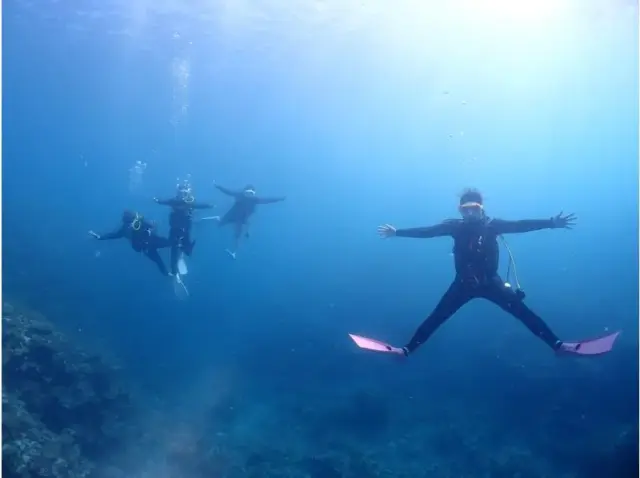
There are various diving spots around Ishigaki Island, from calm spots for beginners to dynamic topographic points for advanced divers.
There are a variety of features such as manta ray points and spots where schools of fish can be seen.
Here we introduce popular recommended spots for diving in Ishigaki Island♪
↓Popular Ishigaki Island diving plans are here↓.
Ishigaki Island Diving Tour
Click here for popular plans
Manta City Point (Kabira Ishizaki)
It is the representative manta ray diving spot in Ishigaki Island and a popular point visited by many divers.
Manta rays sometimes appear at cleaning stations on coral reefs, and relatively calm sea conditions are common on many days.Popular with beginner diversThere are
◆Depth of water
Around 10-15m (max. approx. 25m)
◆Level
Beginner to Intermediate
◆Highlight
Manta cleaning station, close-up observation of manta rays
◆Trends in currents and sea conditions
Usually calm, but there are days when the tide is faster.
◆Living organisms that can be seen
Manta rays, sea turtles, Napoleons, schools of Gurukuns, etc.
Manta Scramble
At another famous manta point in the Kabira-Shizaki area,Multiple manta rays observed simultaneouslyThere are some things that can be done.
Although currents may appear depending on sea conditions, it is known as a spot where you can enjoy powerful manta ray diving.
◆Depth of water
Around 10 to 20 m (max. about 25 m)
◆Level
Beginner to Intermediate
◆Highlight
World famous manta point, multiple manta ray migrations
◆Trends in currents and sea conditions
Weak to moderate currents
◆Living organisms that can be seen
Manta rays, sea turtles, moray eels, sea snakes, tropical fish
Yonehara W Leaf
At a dive site with beautiful coral reefs in the Yonehara area,Many colorful fish observedCan be done.
The shallow coral reefs and abundant fish are popular among beginners and photo divers!
◆Depth of water
Around 10-25m
◆Level
Beginner to Intermediate
◆Highlight
Sprawling coral reefs and colorful tropical fish
◆Trends in currents and sea conditions
Relatively calm sea conditions
◆Living organisms that can be seen
Clownfish, sea turtles, butterfly fish, and sparrowhawks
Big Arch (Sakieda area)
greatCharacterized by arched topographyIt is a diving spot where you can enjoy fantastic underwater scenery.
The area around the arch is a good place to gather fish and is recommended for divers who want to enjoy topographic diving.
◆Depth of water
Around 15-25m
◆Level
intermediate student
◆Highlight
Huge arched rock and cave topography
◆Trends in currents and sea conditions
Some days it flows a little.
◆Living organisms that can be seen
Red clams, lanternfishes, sea turtles, anisotropes
Yarabe Corner
At a dynamic point facing the open ocean,big game fishYou can expect to encounter
This is a popular spot for intermediate and advanced divers due to the tidal currents.
◆Depth of water
Around 20 to 30m
◆Level
Intermediate to advanced
◆Highlight
Drop-off and big migratory fish
◆Trends in currents and sea conditions
Tidal currents are often strong.
◆Living organisms that can be seen
Hammerheads, Isomarginous Tuna, Napoleons
Osaki Hanagoi Reef
As the name implies, this is a beautiful point with schools of snappers, and the scenery of brightly colored fish swimming like dancers is fascinating♪
Sea turtles may be seen,Spots that can be enjoyed by beginners and up.It is known as the
◆Depth of water
Around 10 to 20m
◆Level
Beginner to Intermediate
◆Highlight
Schools of snapping turtles and coral reefs
◆Trends in currents and sea conditions
comparatively calm
◆Living organisms that can be seen
Leaffish, sea turtles, bears and nudibranchs
root of a red clover
A school of red-crowned crane can be seen.It is also popular among divers who enjoy underwater photography.
The sea conditions are relatively calm most days, making it a good spot for observation diving.
◆Depth of water
Around 20 to 30m
◆Level
intermediate student
◆Highlight
Large group of red-crested corvids
◆Trends in currents and sea conditions
Many days are mild.
◆Living organisms that can be seen
red clams, snappers, and gobies
Nagura Bay Loco Rock
Terrain point in Nagura Bayand many fish congregate on rocky shores and coral reefs.
Because it is located in a bay, it is often possible to dive in relatively calm water conditions, making it popular with beginners.
◆Depth of water
Around 10 to 20m
◆Level
Beginner to Intermediate
◆Highlight
Unique rock formations and corals
◆Trends in currents and sea conditions
Relatively calm in the bay
◆Living organisms that can be seen
Goby, Sea Slug, Sparrowhawk
Miyara Drop-off
Steep drop-offs are a feature of the area.This is a dynamic point for topographic diving.
Depending on the tides, migratory fish may appear, and the powerful scenery is attractive♪
◆Depth of water
More than 20-30m
◆Level
Intermediate to advanced
◆Highlight
drop-off terrain
◆Trends in currents and sea conditions
There is a tidal current
◆Living organisms that can be seen
Migratory fish, sea turtles, snappers
bottom-dwelling root of a glaucoma off Sukuji Island
This point is known for its schools of blue tangs, and the abundance of fish is an attraction.
Diving experience like swimming in a schoolThe underwater scenery is powerful, and the view is breathtaking.
◆Depth of water
Around 20-25m
◆Level
intermediate student
◆Highlight
large shoal of glaucous fish
◆Trends in currents and sea conditions
There is a tidal current
◆Living organisms that can be seen
Gurukun, Kusumi butterflyfish, Clownfish
Taketomi Island Potato Coral Root
At coral reef points spread around Taketomi Island,Uniquely shaped coralfeatures.
Many colorful fish inhabit the area, and you can enjoy a relaxing observation dive.
◆Depth of water
Around 15-25m
◆Level
Beginner to Intermediate
◆Highlight
Giant potato coral colony
◆Trends in currents and sea conditions
comparatively calm
◆Living organisms that can be seen
Pomacentrus, bears, butterfly fish
Kuroshima V-drop
At a typical dive site on Kuroshima,Characterized by V-shaped topographyIt is.
Because it faces the open ocean, the fish are abundant and there is a possibility of encountering large migratory fish.
◆Depth of water
More than 20-30m
◆Level
Intermediate to advanced
◆Highlight
V-shaped drop-off and blue water
◆Trends in currents and sea conditions
flowing easily
◆Living organisms that can be seen
Barracuda, dogtooth tuna, sea turtles
Panari Island Big Corner
at dynamic points around Panari Island,big game fishmay be seen.
The clear waters and abundant fish
◆Depth of water
Around 15 to 20m
◆Level
Beginner to Intermediate
◆Highlight
Famous as a point for encountering manta rays
◆Trends in currents and sea conditions
There are days when the flow goes out
◆Living organisms that can be seen
Manta rays, Napoleons, migratory fish
Kanokawa manta point
Known as Manta Point in the waters around Iriomote Island, it is famous for its high encounter rate with manta rays.
Due to the depth of the waterPopular with intermediate and advanced diversThere are
◆Depth of water
Around 20 to 30m
◆Level
Intermediate to advanced
◆Highlight
Open ocean point where manta rays can be seen with high probability
◆Trends in currents and sea conditions
There is a tidal current
◆Living organisms that can be seen
Manta rays, Giant jacks, Bluefin tuna
Yonara Channel (drift diving for advanced divers)
Drift diving using the tidal currents can be enjoyed.Advanced PointsThe following is a list of the most common problems with the
Known for its manta ray sightings, it offers a dynamic underwater experience.
◆Depth of water
Around 15-25m (maximum 30m)
◆Level
Intermediate to advanced
◆Highlight
Schools of manta rays, drift diving
◆Trends in currents and sea conditions
Very strong currents often occur
◆Living organisms that can be seen
Manta rays, Giant jacks, Napoleons, Rays
For advanced users!
↓Click here to see the popular Ishigaki Island Fun Diving Plans.
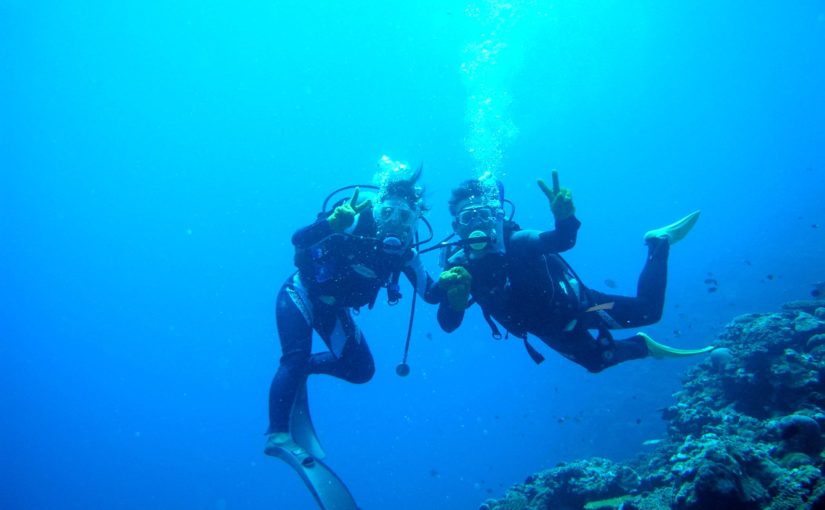
 Fun Diving Tour with Refresher Course (3 boats) (No.501)開始時間08:15~16:00所要時間Approx. 8 hours21,000 yen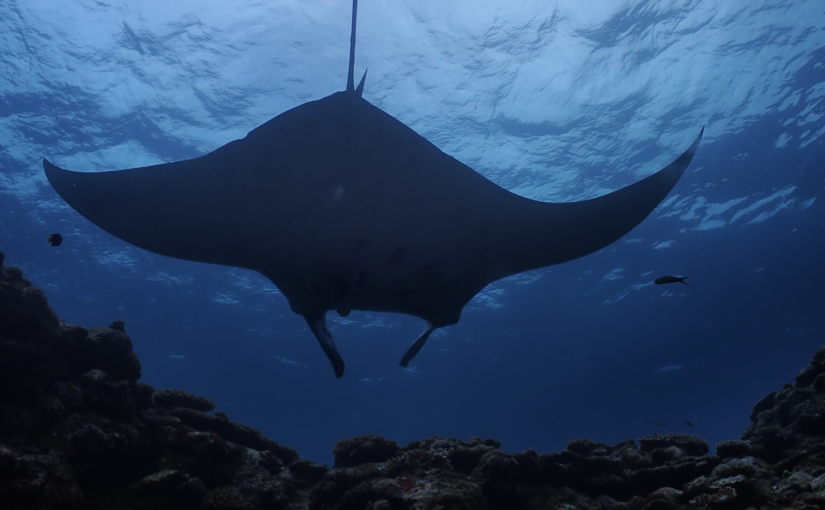
Click here for popular Ishigaki Island Fun Diving Tour plans
Explanation of Ishigaki Island diving spots!
Map of popular points by area
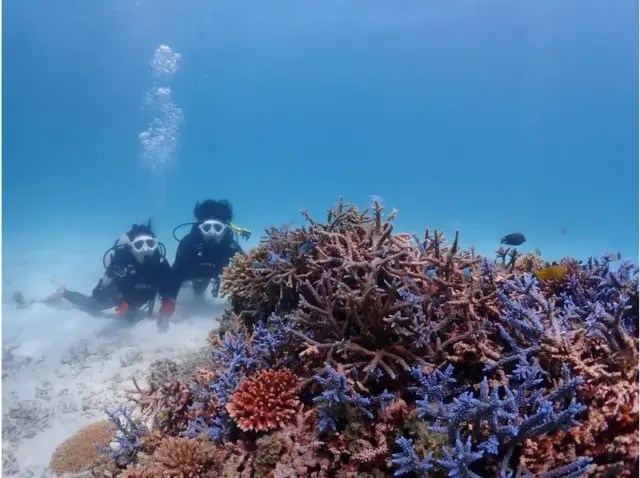
There are several diving areas around Ishigaki Island, each with different ocean features and creatures to see.
Understand the characteristics of each areaBy doing so, you can enjoy diving suited to your level and objectives.
↓Popular Ishigaki Island diving plans are here↓.
Ishigaki Island Diving Tour
Click here for popular plans
Kabira and Sakieda areas (where manta ray points are concentrated)
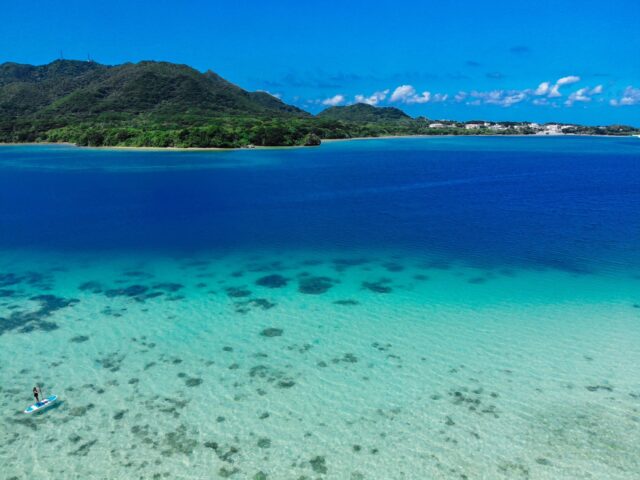
The area around Kabira-ishizaki is where the famous manta points in Ishigaki Island are concentrated.
Manta City Point and many other dive stores offer tours.
Access: 10 minutes by boat from Kabira area
◆Ishigaki Island's most popular diving spots
◆Manta rays hovering for easy observation up close
Multiple manta rays may be seen circling
◆ There is a cleaning station where manta rays get their parasites removed.
Osaki and Nagura Bay area (points for beginners)
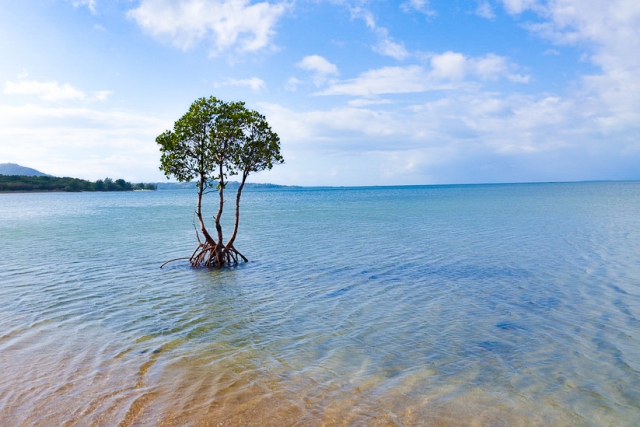
There are many points around Osaki and Nagura Bay where the currents are relatively calm, making them popular for beginners and experience divers.
The ability to observe sea turtles and colorful fish is another attraction.
Access: 15-20 minutes by boat from Ishigaki Port
◆Muddy (muddy) environment in the bay
◆Macro diving to observe small creatures is popular
◆Coral reefs and reefs spread out and colorful tropical fish abound.
A spot where you can observe creatures carefully, not aiming for big ones.
Taketomi Island/Kuroshima area (sand and fish points)
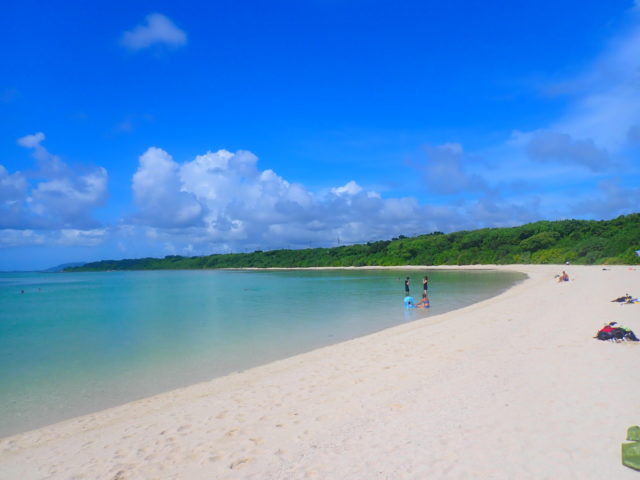
The area around Taketomi Island and Kuroshima Island is known for its many sandy points where macro life and schools of fish can be seen.
On clear days, you can enjoy beautiful underwater scenery.
Access: 15-20 minutes by boat from Ishigaki Port
◆Giant bumpy coral colonies can be seen
◆ White sandy sea bottom dotted with coral reefs and roots
◆"Potato Coral Root" is a famous dive site
◆ Observe a variety of creatures from macro organisms to schools of fish
Iriomote Island, Panari Island area (points for big game)
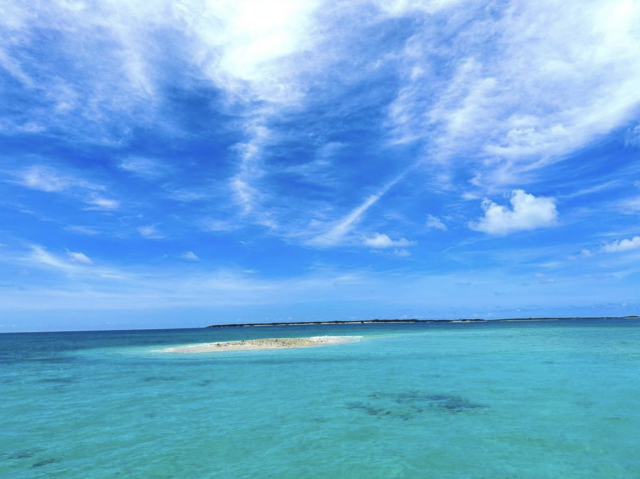
Around Iriomote Island and Panari Island, there are many dynamic points facing the open ocean, where you can expect to encounter large migratory fish and manta rays.
This area is popular with intermediate and advanced divers.
Access: 30 to 60 minutes by boat from Ishigaki or Iriomote Island
◆High possibility of encountering big fish
◆Tidal currents are easy to generate and migratory fish tend to gather
◆Areas where you can enjoy powerful diving in the open sea
◆Dynamic terrain such as drop-offs and reefs
Points to enjoy diving in Ishigaki Island

In order to enjoy Ishigaki Island diving more safely, it is important to select a dive site suitable for your level and a reliable dive store.
From beginners to advanced players, there is an environment that can be enjoyed according to their individual styles.
↓Click here to read the article.
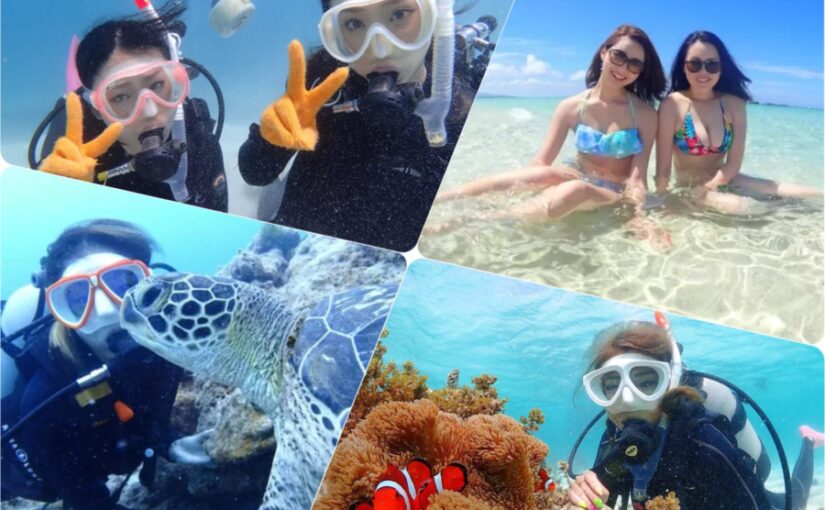
Ishigaki Island Diving Tour
Click here for popular plans
Recommended dive sites for beginners

For beginners.The current is calm.The Osaki area and coral reef points are recommended.
You can enjoy colorful fish and coral reefs even in the experience diving, and you can easily experience the charm of Ishigaki Island's ocean.
Recommended for beginners!
↓Click here for popular diving plans in Ishigaki Island.
For beginners!
Click here for Ishigaki Island Diving Tours
Dive sites for advanced divers

For advanced divers, we recommend Yonara Channel and open ocean points where drift diving can be enjoyed!
Dynamic diving is possible by taking advantage of the tidal currents,Big migratory fish and manta raysIt is also possible to meet
For advanced users!
↓Click here to see the popular Ishigaki Island Fun Diving Plans.
Fun Diving Tour with Refresher Course (3 boats) (No.501)開始時間08:15~16:00所要時間Approx. 8 hours21,000 yenClick here for popular Ishigaki Island Fun Diving Tour plans
How to choose a dive store
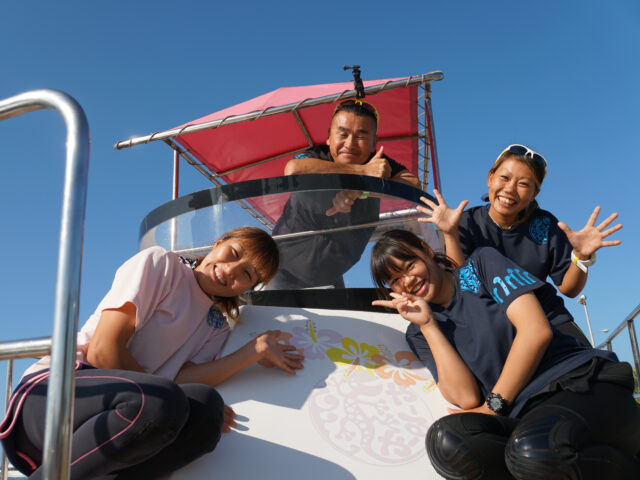
There are many diving stores on Ishigaki Island, and tour contents and safety management systems vary from store to store.
With reference to word of mouth and track record,Store for your level of expertise.It is important to choose the
Difference between Experience Diving and Fun Diving

Experience diving is for beginners who do not need a license to participate.
Fun diving, on the other hand, is for license holders and allows them to enjoy various points more freely.
Frequently Asked Questions about Ishigaki Island Diving Spots
(FAQ)
summary

Ishigaki Island has clear waters, rich coral reefs, and a variety of marine life.one of Japan's foremostDiving spots in the ♪
Manta Point and moreFrom beginner to advancedThere are many dive sites to choose from, ranging from the most popular to the least popular, and can be enjoyed according to the purpose and level of the diver.
Use this article to understand the best season and characteristics of the area, and enjoy diving in Ishigaki Island while taking safety into consideration!
↓Click here to read the article.