



Taketomi Island - Nishitang Utaki
Early reservations are recommended as they fill up quickly.

◆Tuk-tuks and electric trikes are also popular!

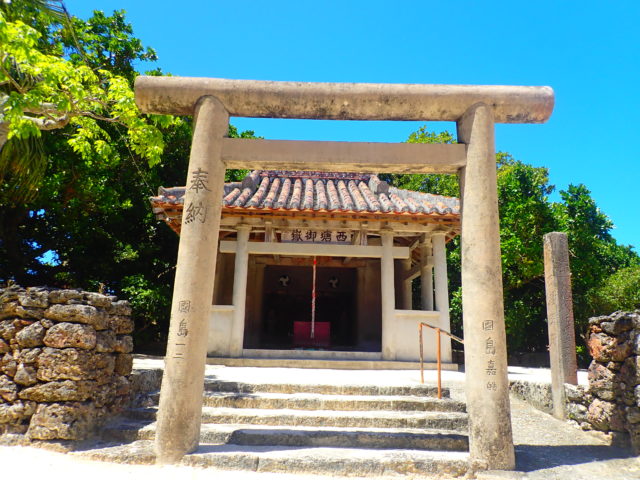
What Is Xitang Yutai?
"Nishitō" is a person's name, and this is an utaki dedicated to Mr. Nishitō, a distinguished figure from Taketomi Island.
Mr. Nishitō was a great figure from Taketomi Island who excelled in civil engineering; he designed the Shuri Castle walls and built the stone gate at Sonohyan Utaki.
This shrine is dedicated to a man who, after becoming the administrative chief of the Yaeyama region, implemented numerous reforms, including agricultural improvement guidance and the introduction of sundials.
How to Get to Xitang Yutai
Nishitō Mitake is located about a 14-minute walk from Taketomi Port.
From Taketomi Port, head straight toward the village.
When you see the Taketomi Post Office on your left, turn right at the next intersection, and it will be on your right after you pass the second intersection.
Click here to book a ferry to Taketomi Island
How to Enjoy Yourself at Xitang Yutai
At Nishitō Utaki, located across from the Taketomi Island Townscape Museum, the island’s guardian deity and the god of bountiful harvests are enshrined, and the term “Nishitō Spirit” is still used today.
If you have some free time while renting a bike or exploring the island, be sure to check it out.
Details on Xitang Yutai
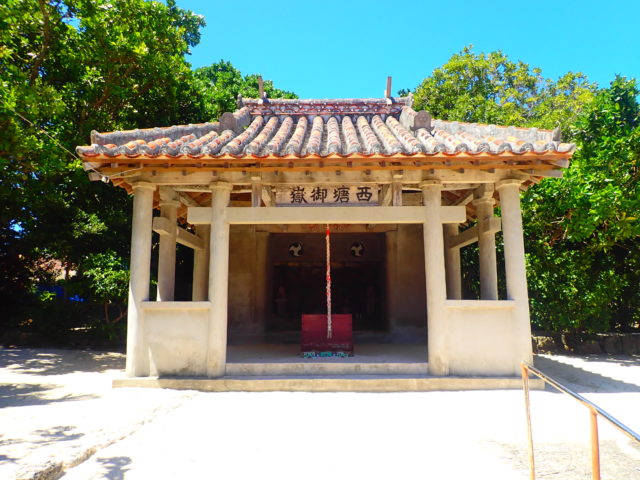
Nishitō Mitake is a sacred site located across from the Machinami Museum, where the island’s guardian deity and the god of bountiful harvests are enshrined; many islanders gather there during the New Year’s holiday season.
Nishitō was a politician, a man of integrity, and a patriot, and the term "Nishitō Spirit" lives on on Taketomi Island.
I used to refer to him respectfully as “Lord Xitang.”
According to a legend about Nishitō, in 1500, when a joint force of the Ryukyu Kingdom and Miyako subdued Oyake Akahachi, Nishitō’s talent was recognized by Ōsato Oyakata, the commander-in-chief at the time, and he was summoned to the royal capital of Shuri.
He later studied language and writing in Shuri and went on to become a renowned civil engineer and architect.
As an architect, Nishitō is said to have designed the stone gate at Sonohyan Utaki, a World Heritage Site, and to have also restored the walls of Shuri Castle.
Having achieved these various accomplishments, he rose to the position of chief architect in the royal capital.
It is said that Nishitō had long yearned to return to his hometown, Taketomi Island, and that when he was building the Stone Gate, he vowed that if his wish to return home were granted, he would enshrine the deity of Sonohiyabu Utaki on Taketomi Island.
After that, Nishitō returned home as the leader (kashira) governing the Yaeyama Islands.
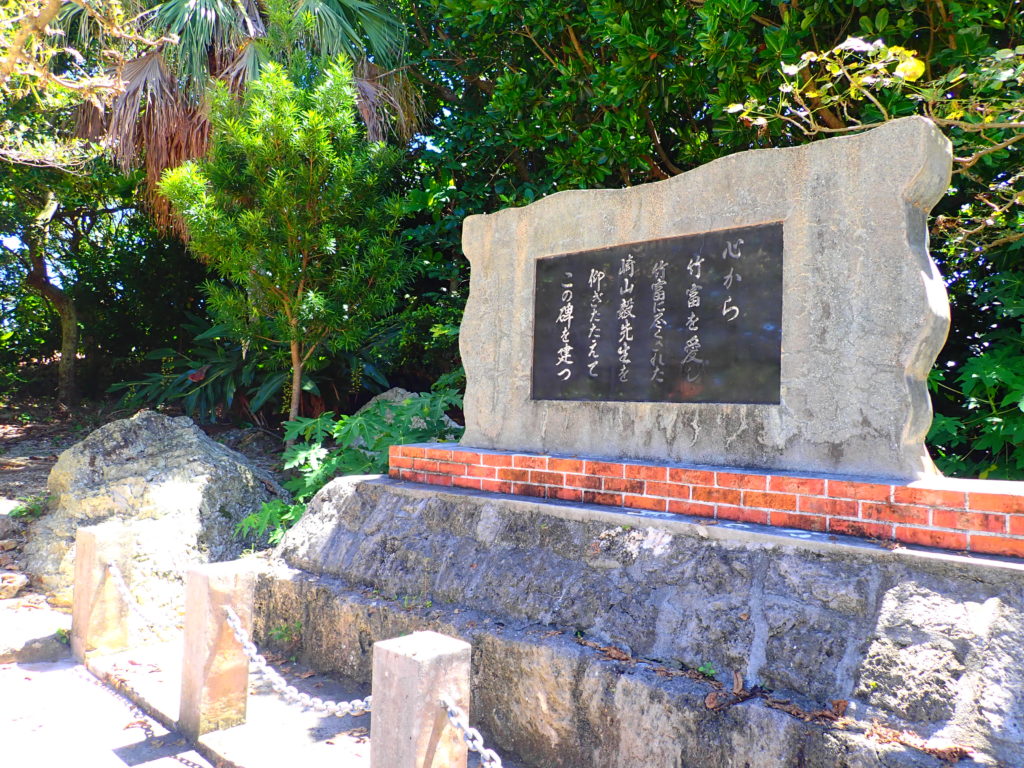
He built a government office near Kaiji Beach, located on the west coast of Taketomi Island, and administered the island from there.
He also built the Kuninaka Utaki on Taketomi Island as a place of remote worship, thereby fulfilling the vow he had made before the stone gate of the Sonohyan Utaki.
The Kuninaka Utaki, founded by Nishitō, became the only Utaki in the Yaeyama Islands directly linked to the Shuri Royal Court due to the circumstances described above.
Nishitō had been governing from his hometown of Taketomi Island in the Yaeyama Islands, but he came to believe that the island was too small and lacked sufficient water to serve as the political center of the Yaeyama Islands, so he moved his administrative headquarters to Ishigaki Island and governed from there.
Although he had moved his political base to Ishigaki Island, Tō was deeply attached to his hometown, so he created a traditional Bon festival while gazing out at his native Taketomi Island.
Nishitō spent his final years on Ishigaki Island and eventually passed away there.
After his death, a grave was built for him on Taketomi Island, and he was buried there.
That very grave is what is now known as Nishitō Mitake.
Recommended Sightseeing Spots Near Xitang Yutai
tower of peace and quiet
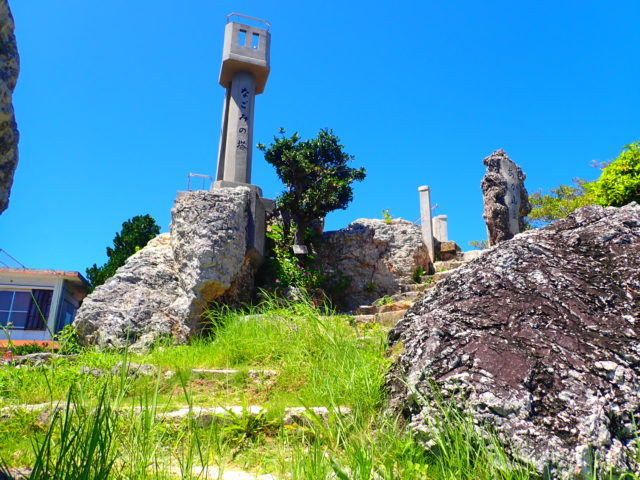
Nagomi Tower is an observation deck that stands in the center of the village; it was once known as the highest point on the island, and from here, one could take in a panoramic view of the entire island.
Taketomi Island has strict building regulations, so with the exception of elementary and junior high schools, all buildings are single-story, and you can look out over the surrounding area from the top floor.
Location: Taketomi, Taketomi Town, Yaeyama County, Okinawa Prefecture
Access: 15 min. walk from Taketomi Port
Parking: None
Meals (nearby): None
Toilet: None
Taketomi Folk Art Museum
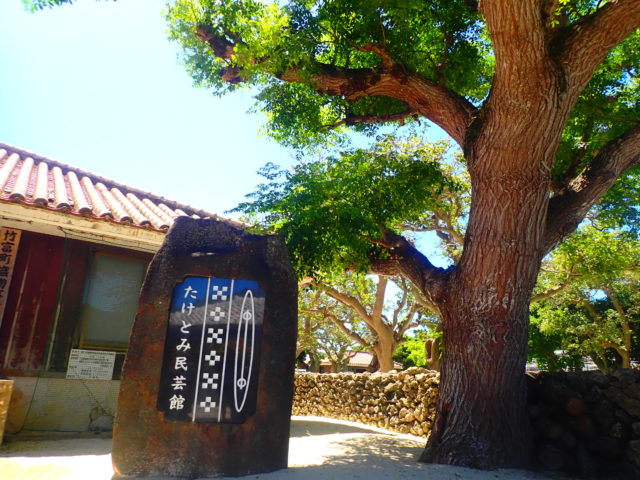
The Taketomi Folk Art Museum is a facility established to ensure the proper preservation and transmission of traditional Okinawan crafts—including those from Taketomi Island—as well as traditional textiles such as Minsa obi and banana-fiber cloth.
Inside the museum, display panels explain the process of weaving basho cloth, and visitors can watch live weaving demonstrations or try their hand at weaving themselves.
During the weaving workshop, you can make a 10-centimeter square coaster in about 30 minutes to an hour.
Minsa weaving is characterized by the "muyashirami" pattern, which features a continuous series of short horizontal stripes resembling centipede legs.
"It contains the meaning of "please visit me often" and, derived from the process of dyeing indigo repeatedly, "layering love."
Address: 435 Taketomi, Taketomi-cho, Yaeyama-gun, Okinawa, Japan
Directions: About a 15-minute walk from Taketomi Port
Price: 500 yen on average
Former Yonaguni Residence
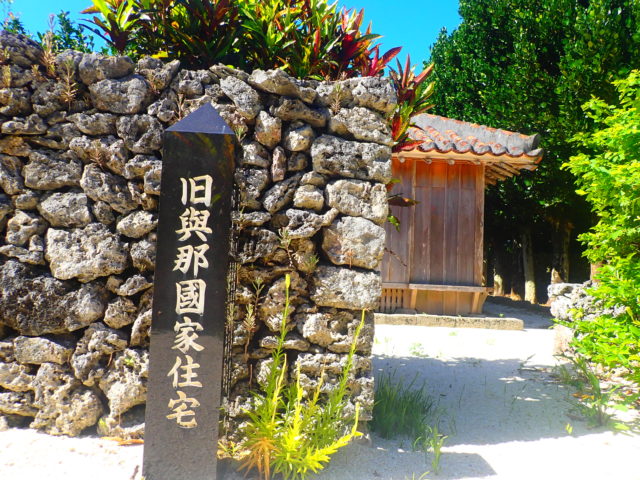
The former Yonaguni Public Housing site is the location of the Yonaguni Public Housing complex, which was built in 1913 and is situated in the center of the village.
Located in the Taketomi Island Traditional Buildings Preservation District, where the island’s modern housing styles and way of life have been preserved, it was designated as an Important Cultural Property of Japan in 2007.
It is a split-level house consisting of the main living area, "Fūya," and the kitchen, "Tōra," which are connected.
Location: 536, Taketomi Aza, Taketomi-cho, Yaeyama-gun, Okinawa, Japan
Access: 7 minutes by car from Taketomi Port
Parking: None
Meals (nearby): None
Toilet: None
Details on Xitang Yutai
| Location | Taketomi Island, Taketomi Town, Yaeyama District, Okinawa Prefecture (View on Map) |
| Access | A 15-minute walk from Taketomi Port |
| parking lot | nashi (Pyrus pyrifolia, esp. var. culta) |
| toilet | nashi (Pyrus pyrifolia, esp. var. culta) |
| Business Hours | - |
See all activities
Ishigaki Island Tours

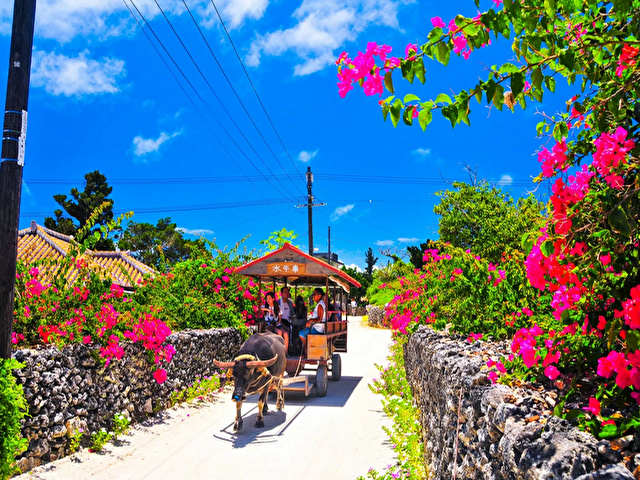
![[Ishigaki Island / 2-Hour Tour] Two-Person Rides Available! Scenic Buggy Tour on Ishigaki Island☆ (No. 287)](https://ishigaki-tours.com/wp-content/uploads/2024/08/MarineshopKaip-07-825x510.webp)


























































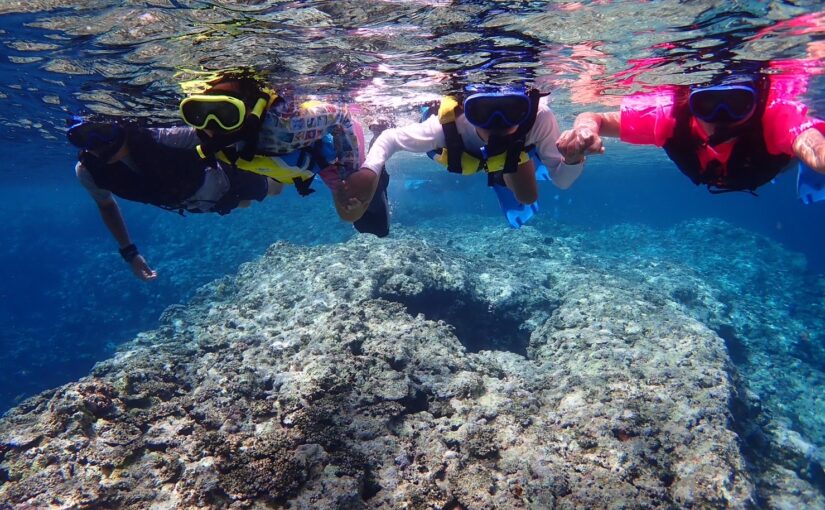
![[Ishigaki Island / Approx. 2.5 hours] Same-day reservations accepted! SUP tour to the mystical “Blue Cave”★ A new experience in crystal-clear waters♪ Free photos](https://ishigaki-tours.com/wp-content/uploads/2017/12/DB89F99F-C338-4E76-BC19-CEC4FDDE95AC-1-825x510.jpeg)