







Taketomi Island-Semochi Utaki
Early reservations are recommended as they fill up quickly.

◆Tuk-tuks and electric trikes are also popular!

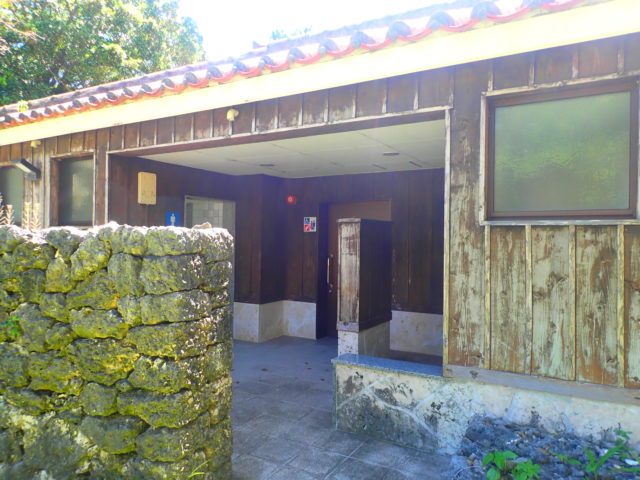
What Is Yomochi Utaki?
Located in the center of the village on Taketomi Island, this sacred site is where rituals are held to honor the gods of fire and agriculture.
Many of Taketomi Island's annual events are held here.
Specifically, the “April Grand Vow,” “Nishitō Festival,” “Vow-Fulfillment Festival,” “September Grand Vow,” and “Seed-Harvest Festival” are held here at this Ontake.
In particular, the “Seed Harvest Festival,” held around October, is Taketomi Island’s largest event, held to pray for a bountiful harvest of the five grains and the prosperity of the island’s residents.
During the latter half of October, there are two days during the Taketomi Island “Tanedori Festival” when no tours or other activities are held, so be sure to check the schedule before you go.
How to Get to Yomochi Gokoku
Yomochi Gokoku is located about a 14-minute walk from Taketomi Port.
Head straight from Taketomi Port toward the village.
Go past the Taketomi Island Bike Rental shop, then turn right at the intersection just past the T-junction.
Go straight ahead, turn left at the first intersection, and you'll see Yomochi Gokoku on your right.
Click here to book a ferry to Taketomi Island
How to Have Fun at Yomochi Gokoku
A particularly famous Utaki on Taketomi Island.
That's why many tourists come to visit.
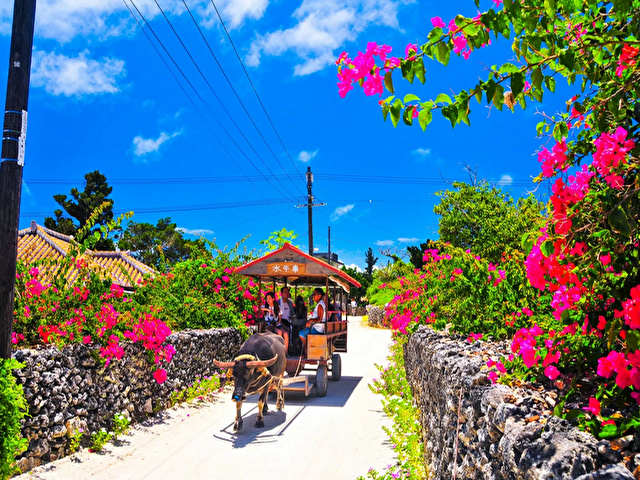
Since it's located within the village on Taketomi Island, you can stop by while taking a water buffalo cart tour, renting a bike, or strolling on foot.
Be sure to visit the most famous Utaki on Taketomi Island.
Click here for related activities
Details on Yomochi-no-Mikoto
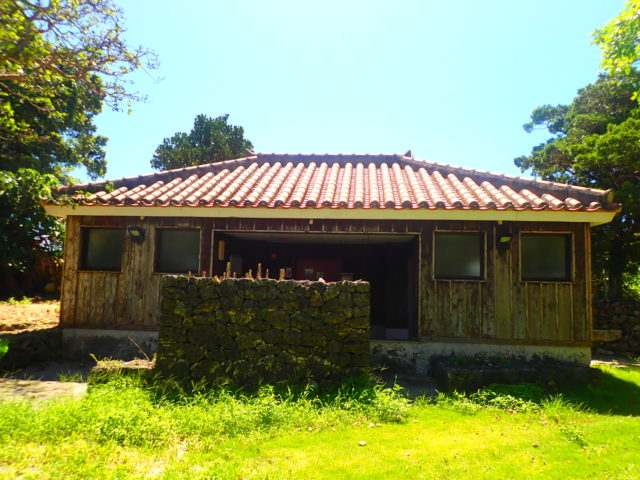
Seji Utaki is one of the Muraon (Tukuruugan) sites managed by the Taketomi Community Center; it is a sacred site where the gods of fire and agriculture are enshrined.
An "Ontake" is similar to a shrine on the mainland; it is a sacred place where Okinawan deities are enshrined.
There are 28 of these sites scattered across Taketomi Island; they are called “On,” but on the main island of Okinawa, they are known as “Utaki” or “Otake.”
At this sacred site, the ritual performances for the Tanadui Festival—Taketomi Island’s largest festival—are held, drawing large crowds of islanders.
The Tanedori Festival is Taketomi Island’s largest traditional event, designated as an Important Intangible Folk Cultural Property of Japan. It is held primarily over two days—the days of Gengyin and Xinyou in the ninth month of the lunar calendar—to pray for a bountiful harvest and the prosperity of the island’s residents.
During the event, we will present traditional performing arts such as dance and Kyogen.
The Fire God mentioned above was a deity worshipped by the Ryukyuan samurai class and was enshrined at the village guard post (Ose). However, in 1908 (Meiji 41), the village guard post was abolished, and the deity was subsequently moved to Seimei Utaki.
However, since the Seimei Utaki site hosts the Fire God Ceremony and the Seed-Harvesting Festival, enshrining two deities there could potentially lead to problems. Therefore, in 1914 (Taishō 2), the Taketomi Village Office was established on the grounds of the Seimoi Utaki, and the Seimoi Utaki was founded at that time.
The practice of inviting the gods of fire and agriculture to Yomochi-utaki once again was established, and the Seed-Taking Festival began to be held there.
The Seji Utaki grounds are home to many historic sites, including Kojo Mori (a nationally designated historic site), the Miroku Hall, and the Taketomi Town War Memorial.
The area around Yomochi Utaki is lush with greenery, and the umaki stands quietly amidst it all, exuding a sense of sacredness.
Recommended Sightseeing Spots Near Yomochi Gokoku
Kihoin Collection Museum
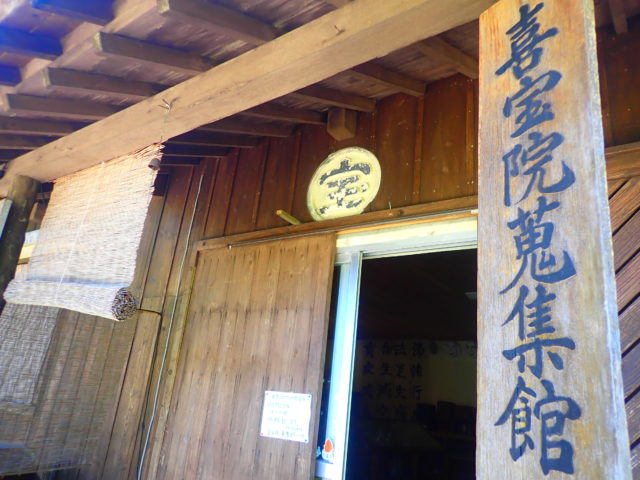
To get to the Kibō-in Collection Hall from Seji Gokoku, exit Seji Gokoku, turn right, follow the road, and you’ll find it on your right.
The Kihō-in Collection Museum is a museum of history and folklore attached to Kihō-in, Japan’s southernmost temple, and features a collection of some 4,000 works of art, crafts, and folk artifacts.
You can learn about a wide range of topics, including prehistoric symbols, warasan (knotted cord), and the origins of Minsa weaving patterns.
Address: 108, Taketomi Aza, Taketomi-cho, Yaeyama-gun, Okinawa, Japan
Access: 15 min. walk from Taketomi Port
Fee: Adults 300 yen, children 150 yen
Business hours: 9:00-17:00
Taketomi Folk Art Museum
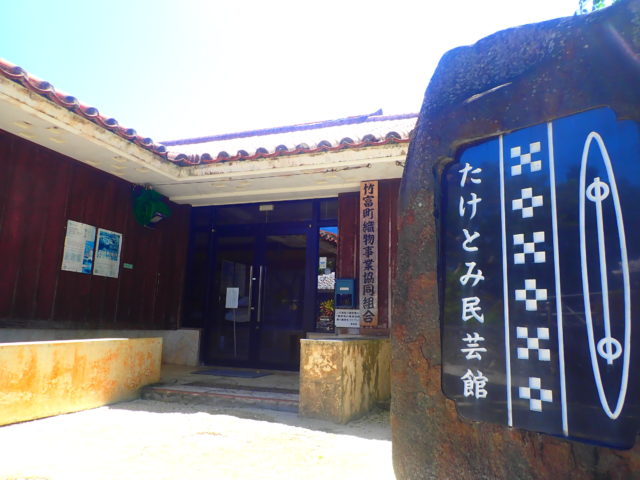
The Taketomi Folk Art Museum was established to ensure the proper preservation and transmission of traditional textiles such as Minsa sashes and banana-fiber cloth. Inside the museum, there are display panels explaining the process by which Minsa weaving and banana-fiber cloth—both traditional Okinawan textiles—are produced.
You can also watch a live weaving demonstration or try your hand at weaving yourself.
If you're making a 10-cm square coaster, it will take about 30 minutes to an hour to complete.
Incidentally, Minsā is characterized by its “Yashirami” pattern, which is inspired by the legs of a centipede and features a series of short horizontal stripes woven into the fabric.
It is said that this phrase carries the meaning of "Please visit me often" and, since indigo is applied in multiple layers during the dyeing process, "layering love."
Also, since there used to be a tradition on Taketomi Island of giving Minsa weavings as gifts to men you liked, why not consider giving one to a man you’re interested in while you’re visiting the island?
Address: 435 Taketomi, Taketomi-cho, Yaeyama-gun, Okinawa, Japan
Directions: About a 15-minute walk from Taketomi Port
Price: 500 yen on average
Please, Shisa
This Shisa is one that makes a prayer gesture with its hands pressed together, and its creator is unknown.
Although Shisa statues can be found all over Taketomi Island, this is the only one depicted in a “making a wish” pose, and it is said that if you find it on your own, your wish will come true.
"Shisa" means "lion" in the Okinawan language, and according to legend, it wards off misfortune and evil spirits that come to villages and homes.
By the way, in addition to the Shisa you see here, there are Shisa with all kinds of different expressions at entrances and on rooftops, so be sure to look for them!
Address: Taketomi, Taketomi Town, Yaeyama District, Okinawa Prefecture, Taketomi Island
Directions: About a 15-minute walk from Taketomi Port
Parking: None
Meals (nearby): None
Toilet: None
Details on Yomochi-no-Mikoto
| Location | Taketomi, Taketomi Town, Yaeyama County, Okinawa Prefecture, JapanView on Map) |
| Access | A 12-minute walk from Taketomi Port |
| parking lot | nashi (Pyrus pyrifolia, esp. var. culta) |
| toilet | ant |
| Business Hours | - |
Related columns are here↓.
How to get to Taketomi Island, how to play, and a list of recommendations!
See all activities
Ishigaki Island Tours
←To the list of basic information and recommended spots on Taketomi Island




























































![[Ishigaki Island / Approx. 2.5 hours] Same-day reservations accepted! SUP tour to the mystical “Blue Cave”★ A new experience in crystal-clear waters♪ Free photos](https://ishigaki-tours.com/wp-content/uploads/2017/12/DB89F99F-C338-4E76-BC19-CEC4FDDE95AC-1-825x510.jpeg)